


Remembering Coastline Safety for a New Year
- Paul Smith

- Jan 20
- 3 min read
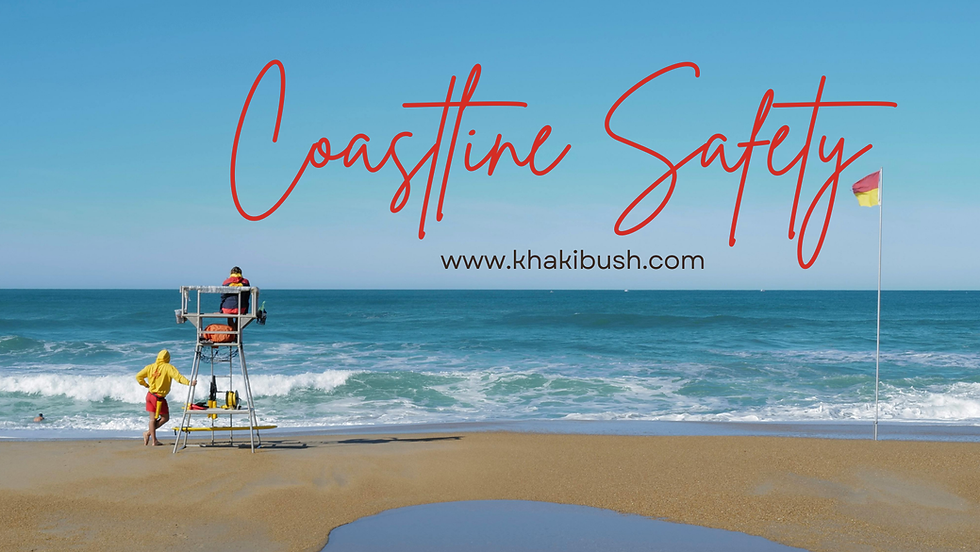
As the festive rush winds down and a new year begins, the KwaZulu-Natal coastline remains a favourite destination for locals and holidaymakers alike. While the crowds may thin, the ocean stays as powerful and unpredictable as ever. The start of a new year is the perfect time to reset habits, reflect on safety, and enjoy the coast responsibly.
Whether you’re planning early-morning swims, family beach days, or quiet coastal escapes, here’s a timely reminder of the key coastline safety principles for the year ahead.

1. Swim Smart: Start the Year Between the Flags
Always Swim Where Lifeguards Are on Duty
The red-and-yellow flags mark designated safe swimming areas along the KZN coastline, monitored by trained lifeguards who understand local currents and surf conditions.
Stay Alert to Rip Currents
Rip currents remain one of the leading dangers on KwaZulu-Natal beaches. Warning signs include darker channels of water, fewer breaking waves, and fast-moving currents heading offshore. If caught, stay calm, float if needed, and swim parallel to the shore until you’re free.
Respect Changing Ocean Conditions
Morning calm can turn into afternoon chaos. If conditions change, take it as a sign to get out — the ocean will still be there tomorrow.
2. Sun Safety: Protect Yourself From Day One

The East Coast sun doesn’t take a holiday in the new year.
Apply SPF 30+ sunscreen regularly
Wear hats, sunglasses, and light clothing
Take shade breaks, especially between 11:00 and 15:00
Drink plenty of water throughout the day
Starting the year sun-smart means fewer regrets — and fewer peels.
3. Keep Your Belongings Secure on the Beach
Even quieter beaches require awareness.
Avoid leaving valuables unattended
Use waterproof pouches or beach lockers where available
Travel light and stay alert in popular coastal areas
Simple precautions go a long way in protecting your peace of mind.
4. Respect Wildlife and Coastal Ecosystems
From vervet monkeys to fragile tidal pools, the KZN coast is rich in wildlife.
Keep food sealed and secured
Don’t feed or approach animals
Teach children to observe marine life respectfully
Leave shells, rocks, and creatures where you find them
A new year is a great time to recommit to protecting our natural coastline.
5. Alcohol and the Ocean: A Risky Combination
A relaxed beach drink may feel like part of the lifestyle, but swimming after drinking increases the risk of accidents. If alcohol is involved, keep swimming off the agenda.
6. Family Beach Safety: Good Habits for the Year Ahead
For families, consistency is key.
Keep children within arm’s reach
Use bright clothing or rash vests for visibility
Agree on a meeting point near a lifeguard station
Reinforce swimming rules early
These habits quickly become second nature.
7. Care for the Coastline
A safer coast is a cleaner coast.
Take all rubbish home
Stick to walkways to protect dunes
Dispose of fishing line responsibly
Respect signage and restricted areas
Small actions make a big difference over the course of a year.
Final Thought: Start the New Year With Safety in Mind
The KwaZulu-Natal coastline offers endless opportunity for rest, adventure, and connection with nature. By remembering and practising coastline safety from the very start of the year, we ensure that every beach visit ends the way it should — relaxed, refreshed, and incident-free.
Visit our travel directory for aweome beach holidays. https://www.khakibush.com/

Keywords; KZN coastline safety, KwaZulu-Natal beaches, coastline safety South Africa, beach safety KZN, safe swimming KZN, Durban beach safety, KZN lifeguards, South Africa coastline safety, summer beach safety tips, family beach safety, rip current awareness, ocean safety South Africa, sun safety beach, KZN beach rules, swimming between the flags, coastal safety awareness, responsible beach use, South African beach safety, KZN holiday safety, beach safety tips South Africa


