

Vanishing Voices of the Coast: Africa’s Coastal Guardians Facing Extinction
- Tariq Dube

- Jan 21
- 4 min read

The African coastline is a chorus of life, where currents carry calls from creatures older than human memory: turtles navigating ancient routes, penguins chanting by rocky shores, and seahorses clinging to fragile estuaries. Today, many of these voices are fading. Pollution, overfishing, habitat loss, and climate change are pushing iconic coastal species closer to the brink of extinction. This is the untold story of these guardians of Africa’s coast and the urgent battle to save them.
African Penguin: The Tuxedoed Symbol on the Brink
Few animals capture the imagination like the African penguin, with its cute black‑and‑white plumage and distinct calls that sound almost donkey-like. Once numbering in the millions, this charismatic seabird is now classified as Critically Endangered by the IUCN, with fewer than 10,000 breeding pairs remaining.
These penguins are Africa’s only native penguin species, confined to southern African waters from Namibia to Algoa Bay. Their decline is driven by drastic reductions in food supplies like sardines and anchovies, which are depleted by commercial fishing and climate‑induced shifts in distribution.
Oil spills, habitat degradation, and competition with fishing fleets have compounded their struggle, forcing adults to swim ever farther for food and reducing chick survival. Without swift action to protect feeding grounds and reduce fishing pressures near colonies, scientists warn this beloved bird could vanish from the wild within our lifetimes.
Leatherback Turtles: Ancient Navigators in a Modern Crisis
The Leatherback Turtle, the largest of all sea turtles, has swum Earth’s oceans for over 100 million years, yet today its survival is far from assured. Regionally, leatherbacks are considered a conservation priority in South Africa, as shifting ocean conditions, pollution, and accidental capture in fishing gear threaten their numbers.

Despite classification ambiguities at a global level, leatherbacks face clear threats: nesting habitat loss, fisheries bycatch, vessel strikes, and ingestion of plastic debris mistaken for jellyfish. These encounters reduce survival rates and undermine decades of wandering along ancient migratory routes.
Hawksbill Turtle
Equally on the verge of extinction is the hawksbill turtle, a species known for its beautifully patterned shell. Hawksbills are listed as Critically Endangered, having declined by more than 80% over the past century due to illegal trade in their shells, coastal development, and the destruction of nesting beaches.
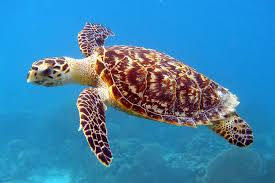
Both leatherback and hawksbill turtles play crucial roles in their ecosystems, from controlling jellyfish populations to maintaining coral reef health, but they cannot survive without cleaner seas and greater protection of nesting and feeding habitats.
Knysna Seahorse: A Microcosm of a Fragile Estuary
In the tranquil estuaries of South Africa’s South Coast lives the Knysna seahorse (Hippocampus capensis), a tiny but powerful symbol of vulnerability. This species is found in just three brackish water habitats: the Knysna, Swartvlei, and Keurbooms estuaries, and is classified as Endangered.

With its slender form and limited range, the Knysna seahorse is extremely sensitive to habitat loss, estuary pollution, and urban development. Because it reproduces slowly and produces very few young, even the smallest disturbances can cause population collapses. Their plight continues to remind us that ecosystems are only as strong as their most fragile inhabitants.
The Misunderstood Monsters: Ragged‑Tooth & Smooth Hammerhead Shark
Pop culture has successfully made sharks the “big bad bullies of the ocean”, but the ragged‑tooth shark and smooth hammerhead are anything but monsters. These species, both present in South African waters, are important apex predators that help regulate ocean food webs.
Both species are facing threats from overfishing, slow reproductive rates, and habitat degradation. Many shark species globally are declining due to unsustainable fishing pressures and bycatch.
Protecting sharks not only safeguards the healthy diversity of marine life but also maintains the balance of entire ecosystems that support commercially important fish and other marine animals.
Endangered Fish: Ecosystems on the Edge
Certain fish species along Africa’s coasts, including the Red Stumpnose, Seventy‑four Seabream, and Dagger-head Seabream, are under threat from overfishing, habitat degradation, and intensive coastal harvest.
These fish may lack the glamour of turtles and penguins, but they are critical to ecological and cultural systems. Predators and prey alike depend on their roles within reefs and nearshore systems, and their decline signals wider problems within marine food webs.
Protecting the Coast’s Voices
Every species highlighted here represents a unique voice in the cry for life along Africa’s shores. Their loss would not only mean fewer turtles basking on sandy beaches or seahorses drifting among seagrasses, but it would also signal a cascade of ecological collapse that reverberates through fisheries, coastal economies, and global biodiversity.
Conservation actions are underway, from marine protected areas to rehabilitation programs and sustainable fisheries management, but time is not on our side. If we, as the owners of this beautiful Earth, do not step up and raise awareness, make ethical seafood choices, and support local conservation, then we risk losing beautiful aquatic wildlife and disrupting Mother Nature’s well-balanced ecosystems.
As their voices fade, the story of our oceans becomes quieter, poorer, and more unstable. This is our chance to amplify those voices again before they fade forever.