


Love, in All Its Colours
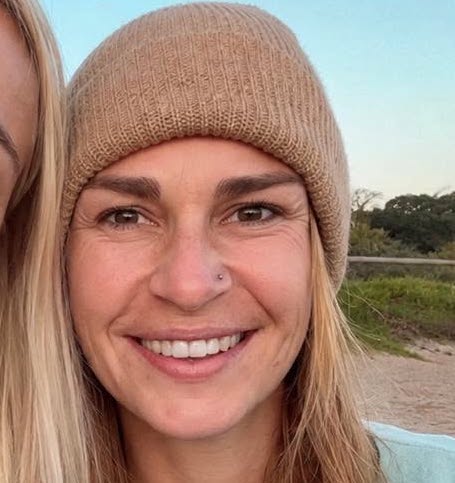

The next morning, they were all wearing their beanies.
Ten familiar faces, each in their usual spot beneath the trees. Behind them, the valleys. Before them, the red sand and the road, where the world carried on moving. And there they sat, basking in the winter sunlight, in the brightest, most beautiful colours.
As my car pulled into the driveway, their faces opened into smiles.
“Thando!”
There are moments you wish you could gather up and share exactly as they felt. This was one of them.
But let me take you back to where this little river of kindness began.
Craig, from Khaki Bush, had visited Sinakekele during an event with Live Ready. There was something so grounding about him. Kind, adventurous, open to possibility. He was moved by the land, the community around us, and the programmes reaching so many different stages of life here.

He wanted to be part of it.
And then came the beanies.
Bags of beautiful, colourful beanies, knitted by Craig’s mama bear. Different colours, different sizes, each one made by hand. One bag was for our nursery babies and the young people in our programmes. Another was for the old age home up the road.
Sinakekele had the privilege of being the river through which that kindness could flow.
Our first stop was Masibumbane.
'Tucked away in a remote part of Verulam, Masibumbane Old Age Home is home to ten elderly residents. Bongiwe and Blessing, who run it, have made room for the elders by moving into the garage themselves.

That tells you something about the people they are.
The home is modest, beautifully clean and cared for. Nurses who are currently without paid employment volunteer their time, gaining experience while caring for the residents. While the home awaits government funding, the residents’ pension grants carry much of the cost of keeping it going.'
With thanks to the Robin Hood Foundation for sharing this background on Masibumbane.
When we arrived, the residents were sitting beneath the trees, each in their familiar place beside the main dirt road that carries the community past their home throughout the day.
So much of the day unfolds from those chairs. They sit still while the world around them moves. The movement changes from moment to moment, but the rhythm of the scene remains familiar.
Cows casually passing by. Children running and playing, many barefoot, their legs dusted with the red sand of the road. Men and women of all ages walking to and from work. Women carrying heavy containers of water balanced on their heads, or bundles of firewood tucked beneath their arms or stacked high above them, carried with a steadiness I have always found remarkable. Teenagers sauntering off to wherever teenagers go.
Taxis rush past, hooting, lifting clouds of red dust that drift across the land and settle on everything and everyone nearby. Above it all, the leaves shift and rustle—a steady whisper filling the spaces between the louder beats of the day.

And there they sit, watching the world go by.
That winter’s day, we arrived with a bag of colour.
As we took out the beanies and began fitting them, their faces lit up. One by one, I gently pulled a beanie onto each head, meeting their eyes as we found the right fit.
Between their few words of English and the isiZulu I could understand, we said very little. But through their touch, their eyes and their smiles, they spoke a whole conversation with me. Love, gratitude, connection—all of it there, so humbly shared and so deeply felt.
“Sawubona, Thando.”
“Ngiyabonga, Thando.”
Those few words were enough. I felt welcomed, recognised, part of the family.
Sawubona carries that beautiful meaning: I see you.

On the outskirts of the community, I am often called Mlungu. Here, the ladies gave me the name Thando. Love. Over time, it spread, and now it is how I am known here. Every time someone calls it out, it feels like an honour. There is belonging in that greeting. A place in the family, in the tribe.
Standing there together, fitting those beanies, I felt it so deeply.
And then there was our little miracle.
We had exactly enough for everyone.
Despite all the different sizes in that bag, a beanie fitted every single person. Every woman. Every man. Ten residents, ten warm heads.
I really do love the way these things work.
We left that afternoon grateful to have witnessed what a bag of knitted beanies could mean.
The following day, we returned with some food and additional donations.
And there they were.
Same chairs. Same spots. Another day beneath the trees.
Only now, against the valleys of green, with red sand in the foreground, there were these bright little bursts of colour. Every beanie on a head.

As they saw me arriving, their faces lit up with excitement. Those who could lift their hands raised them in a loving, welcoming wave. And there it was again—that feeling of being welcomed as family.
That was the sight that stayed with me.
Someone had sat and knitted. Her son had brought the bags. We had driven them up the road. And now ten people were a little warmer, wearing something made with care especially to be shared.
Doing what we can with what we have.

Masibumbane means “Let us unite” in isiZulu. And there we were, doing just that. Different ages, different cultures, different races, sharing a moment of warmth beneath the trees.
At Sinakekele, we are so grateful to be rooted here, in the heart of this community. To receive generosity and help it travel beyond our gates. To be a river, reaching people through the hearts and hands of others who feel called to share.
Craig, and Craig’s mama bear: thank you for every stitch, every colour, and all the love that found its way to our Masibumbane family.
There is love here. There are also very real gaps in what they have to live with.
A fridge for Masibumbane
The home’s most urgent need is a fridge. They currently have no way to refrigerate their food, making storage and daily meals difficult—especially with the nearest shop around twenty minutes away.
If you have a working second-hand fridge to donate, please get in touch with Sinakekele. We can arrange collection.
Any food or grocery donations would be deeply appreciated—tinned goods, maize meal, juice, tea, or whatever you are able to share. Toiletries, blankets and colouring books would also be warmly welcomed.
To donate or arrange collection, please contact Thando at Sinakekele on 083 300 9267 or connect@sinakekele.org.za.
There are many ways to be part of this little river. We would love to help your kindness find its way there.


This heartfelt story is written by Tarryn Jolly, philanthropist and humanitarian, whose work through Sinakekele is rooted in compassion, community and making a meaningful difference in the lives of others. Through her words, Tarry shares a beautiful reminder that kindness connects us all, and that even the smallest gestures can bring warmth, dignity and a sense of belonging to those who need it most.
Keywords; Masibumbane Old Age Home, Sinakekele community outreach, community upliftment in South Africa, acts of kindness in Africa, elderly care and donations, donating blankets and food, KhakiBush Magazine conservation and community

